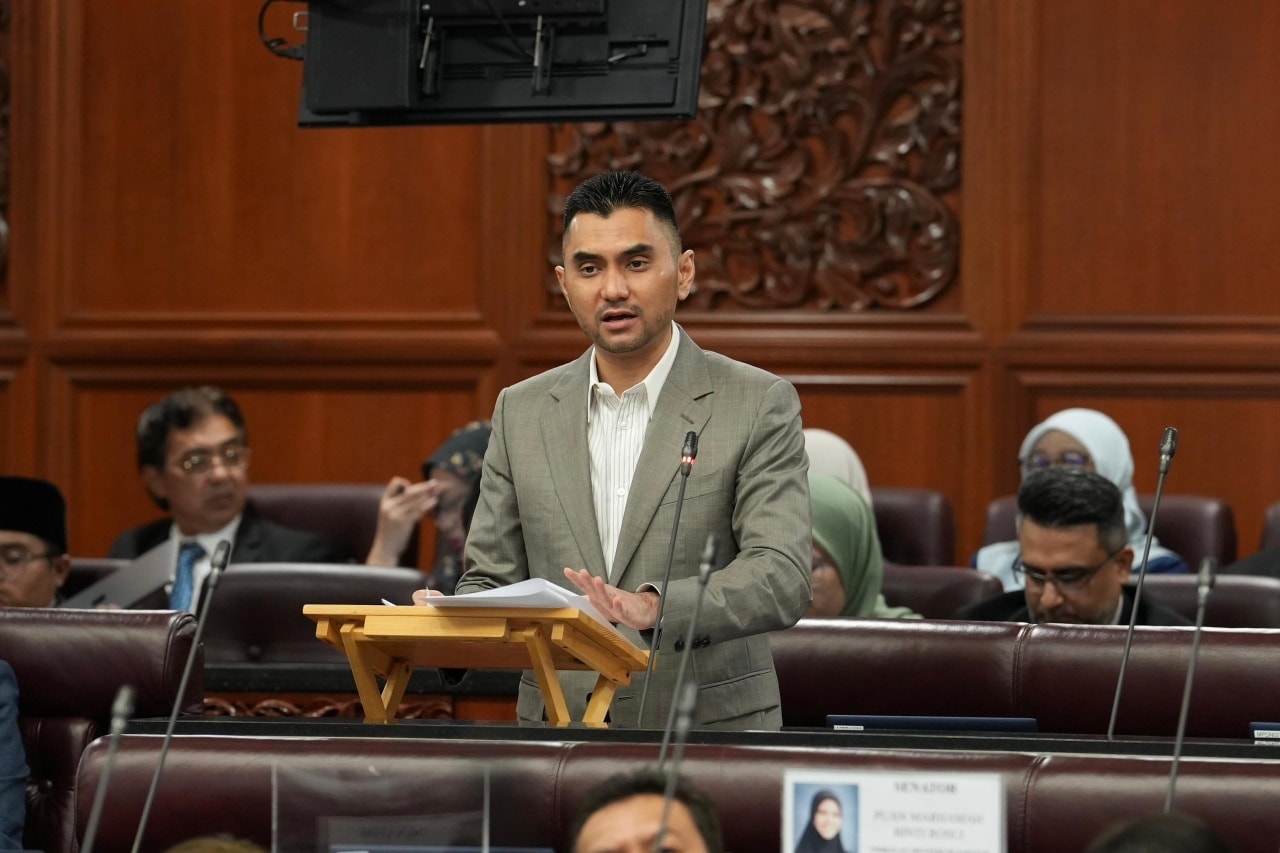
A total of 51,363 workers have benefited from the government’s Progressive Wage Policy (PWP) as of Dec 31 last year, the Dewan Negara was informed today.
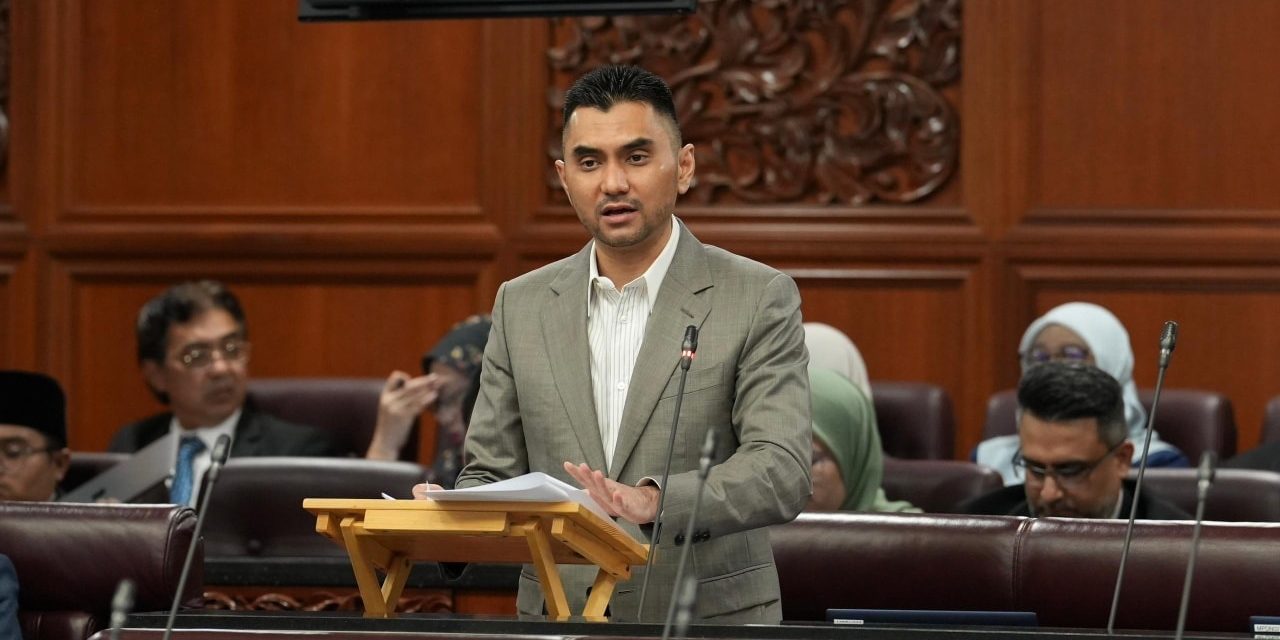
Deputy Human Resources Minister Datuk Khairul Firdaus Akbar Khan said that during the same period, 4,025 employers – or 83.4 per cent of the 5,910 companies that applied to participate in the initiative – had implemented salary increases in line with the policy’s incentive requirements.
He said the wholesale and retail trade sector, including the repair of motor vehicles and motorcycles, recorded the highest number of incentive claims under the policy, each contributing 26.7 per cent. This was followed by the manufacturing sector (15.7 per cent), professional, scientific and technical activities (11.1 per cent) and education (7.4 per cent).
“In terms of effectiveness, the Progressive Wage Policy has succeeded in raising the median salary of workers as of Dec 31, 2025, particularly among entry-level employees with less than 12 months of service. Their median wages increased by RM300, from RM1,900 to RM2,200, representing a 16 per cent rise,” he said.
For employees with more than 12 months of service, the median salary rose by RM238.85 to RM2,999.15, reflecting an increase of about 11 per cent.
“This demonstrates that the government’s approach not only incentivises employers but also enhances employee motivation and productivity,” he added.
Khairul Firdaus was responding to a question from Senator Datuk Abdul Halim Suleiman regarding the effectiveness of the policy’s implementation and the level of compliance within the private sector during the oral question-and-answer session.
Replying to a supplementary question from Senator Dr Wan Martina Wan Yusof, he acknowledged that the implementation of the policy over the past two years had faced several challenges.
Among them were employers’ difficulties in meeting the minimum six per cent salary increment requirement, relatively low training compliance among small-scale employers, and limited awareness on application procedures as well as the utilisation of online training platforms.
The policy was first introduced as a pilot project from June to August 2024 with an allocation of RM50 million before being rolled out nationwide. Under Budget 2025, the government allocated RM300 million for the full implementation of the initiative, which is expected to benefit more than 50,000 workers through 2027.
-HR HUB