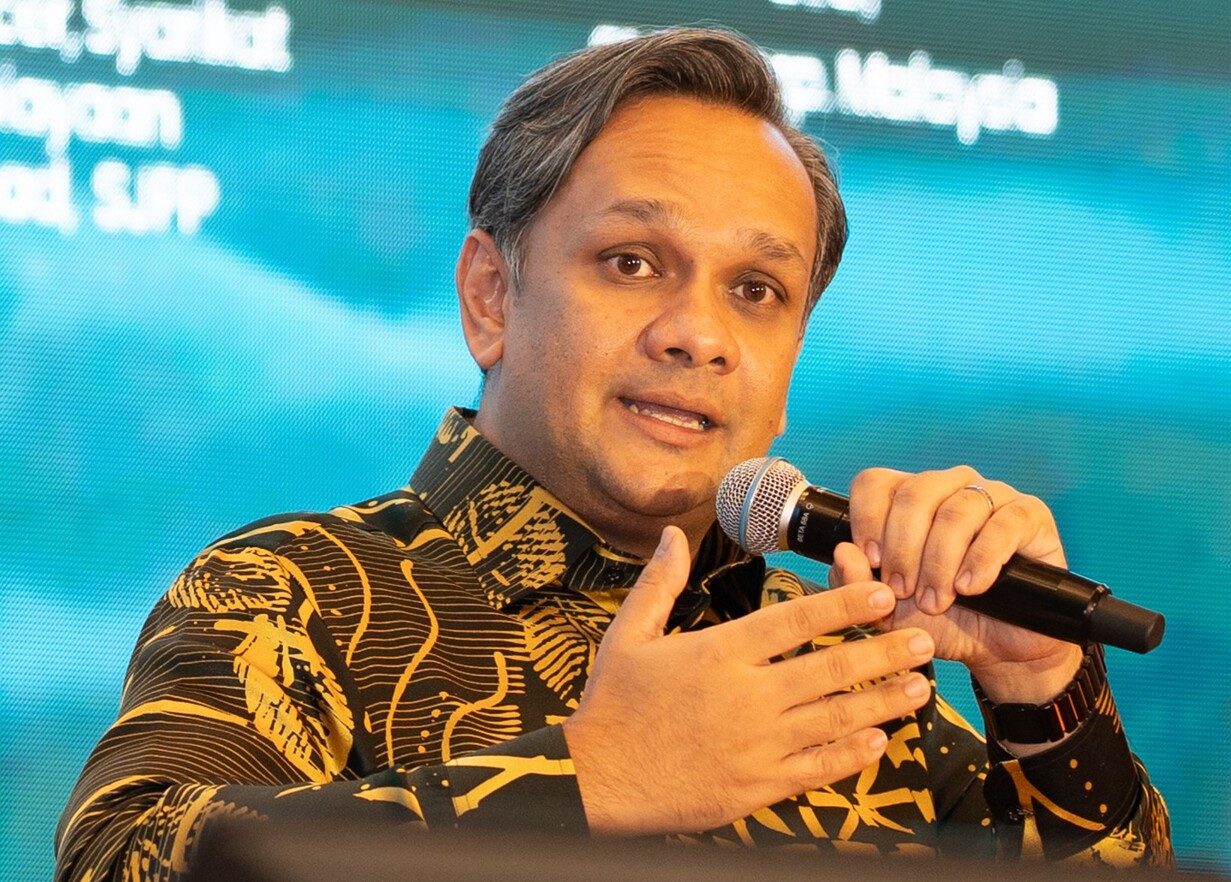
Businesses should embrace artificial intelligence (AI) as a powerful productivity tool, but leaders must remain firmly in control of decision-making and accountability, according to Malaysia Digital Economy Corporation (MDEC) chief executive officer Anuar Fariz Fadzil.
He said AI has become increasingly important in today’s business environment, enabling companies to process information more efficiently, evaluate opportunities and accelerate analysis. However, final decisions should always rest with human leaders rather than technology.
“AI can provide insights, organise information and suggest possible courses of action, but it should never replace human judgement. Business owners and executives must remain accountable for the decisions they make,” he said during a panel discussion at CTOS SME Biz Day 2026.
The event, launched by Finance Minister II Datuk Seri Amir Hamzah Azizan last week, brought together industry leaders to discuss digital transformation and business growth.
Anuar said leadership decisions often involve factors beyond the capabilities of AI, including regulatory compliance, risk management, employee welfare, customer interests, corporate reputation and long-term business sustainability.
While AI is rapidly becoming as indispensable as email in modern business operations, he cautioned against leaving adoption efforts entirely to technology teams, employees or external consultants. Instead, senior management should play a direct role in shaping how the technology is implemented within their organisations.
Sharing his own experience, Anuar said he regularly uses large language models to summarise briefing documents, structure key messages and identify important themes more quickly.
“These tools can improve efficiency and help people manage information more effectively, but they are meant to complement human expertise, not replace it,” he said.
He stressed that AI investments should deliver tangible business outcomes, including productivity gains, cost savings, operational efficiency, stronger market reach and better resource management.
As an example, he cited a food and beverage company that improved productivity after deploying AI to analyse consumer behaviour, purchasing patterns and demand trends throughout the day. In the agricultural sector, technologies such as drones and digital monitoring systems are helping farmers assess crop health, optimise nutrient usage and determine ideal harvesting periods.
According to Anuar, businesses that fail to adopt AI risk losing ground to competitors who are leveraging technology to operate faster and more effectively.
The focus on practical outcomes aligns with MDEC’s broader agenda as Malaysia advances towards a more AI-driven economy.
Celebrating its 30th anniversary this year, MDEC is prioritising initiatives that strengthen productivity, competitiveness and long-term economic value through digital transformation.
Anuar said the agency’s role under the national AI Nation 2030 agenda is increasingly focused on translating policy ambitions into measurable benefits for businesses and industries.
“Our approach to digitalisation is technology-neutral. The objective is to help companies identify solutions that enhance productivity, drive innovation and reduce operating costs,” he said.
He added that digital technologies can also support workforce transformation by enabling employees currently engaged in routine tasks to be reskilled and redeployed into higher-value roles, helping businesses remain competitive in a rapidly evolving digital economy.
-HR HUB