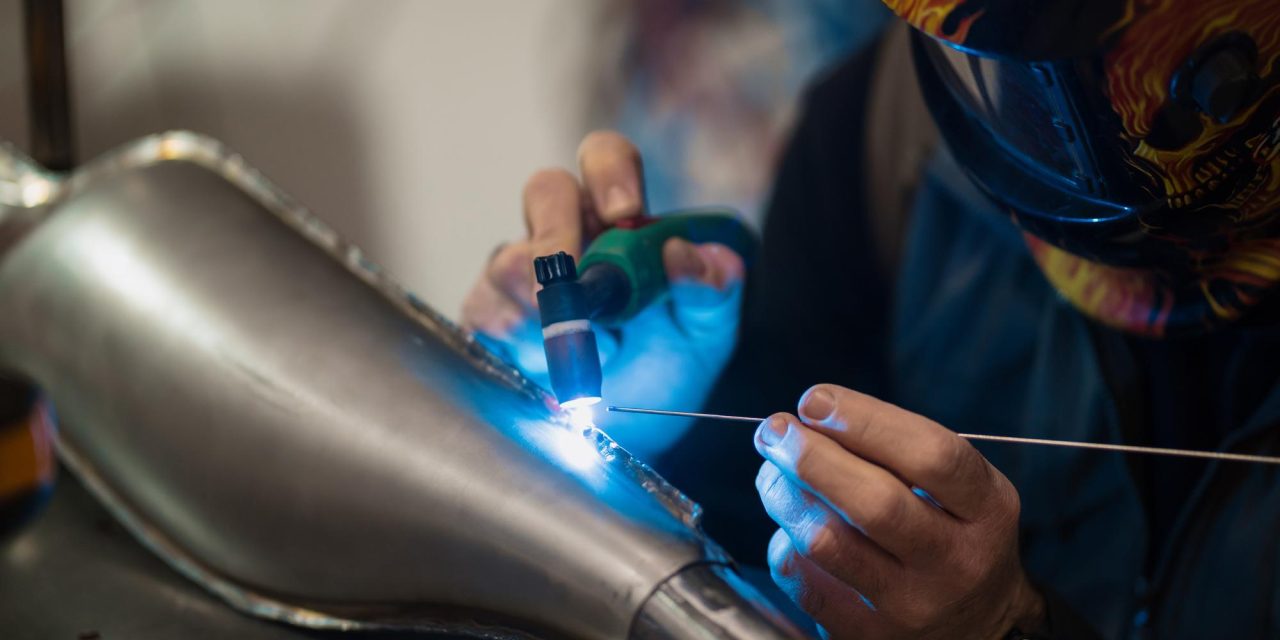
Malaysia is pivoting toward TVET and STEM to build the high-skilled workforce required to power its NIMP 2030 industrial transformation.
Malaysia’s National Industrial Master Plan (NIMP) 2030 sets out a roadmap to transform the country into a high-value, technology-driven and sustainable manufacturing economy, with talent development positioned as a central pillar of this transition.
NIMP 2030 spans key growth sectors including aerospace, electrical and electronics, semiconductors, advanced materials, electric vehicles (EVs), renewable energy and carbon capture, utilisation and storage.
The seven-year plan aims to move Malaysian industries up the global value chain, strengthen competitiveness and support innovation-led growth. It is anchored on four policy missions: advancing economic complexity, accelerating technology adoption and digitalisation, enabling the net-zero transition and enhancing economic security and inclusivity.
TVET and STEM at the centre of workforce planning
National policy emphasis is shifting towards technical and vocational education and training (TVET), alongside science, technology, engineering and mathematics (STEM), as a core pillar supporting Malaysia’s industrial ambitions.
This was reinforced in October when the government allocated RM7.9 billion for TVET under the 2026 Budget, up to RM7.5 billion previously. The allocation includes RM1.3 billion for vocational colleges, RM3 billion for training programmes under the Human Resources Development Corporation (HRD Corp) and RM650 million through the Skills Development Fund Corporation to strengthen talent pipelines in high-value clusters such as semiconductors, EVs and advanced technologies.
Expanding pathways for future industries
TVET enrolment has continued to rise, reaching 492,000 students compared with 432,000 previously, across 1,398 institutions including vocational and polytechnic colleges, community colleges and tahfiz-based technical schools. Government data shows that 95.1% of TVET graduates secured jobs, with some vocational colleges reporting placement rates of between 97.6% and 98.7%.
Preparing talent for advanced manufacturing
Malaysia’s industrial workforce requirements are expected to grow more specialised. Under NIMP 2030, demand will extend to precision machinists, robotics technicians, semiconductor fabrication specialists, aerospace engineers, battery system operators and digital maintenance professionals capable of working with automation, the Internet of Things and artificial intelligence (AI).
Building a future-ready workforce
Recent initiatives, including expanded STEM scholarships, industry-matching grants and enhanced apprenticeship networks, reflect ongoing efforts to align TVET with future industry requirements.
Ultimately, TVET and STEM are positioned as key enablers of NIMP 2030, providing the skilled and adaptable workforce needed to support Malaysia’s transition towards a future-ready, high-value industrial economy.