Stronger collaboration between universities and industry is needed to narrow the gap between graduate expectations and workplace requirements as artificial intelligence (AI) continues to reshape entry-level employment, according to the REHDA Institute Youth Initiative (RIYI) 2026 survey.
The survey found that 41.6 per cent of students believed fresh graduates could begin contributing commercial value within one to three months of employment, compared with only 2.9 per cent of employers who shared the view.
While 62 per cent of students said their universities had prepared them well for employment, only 32.3 per cent of employers agreed that local universities adequately prepared graduates for workplace realities.
The findings were included in RIYI 2026’s closing summary report, based on targeted surveys involving students and recent graduates from more than 21 universities, as well as employers. The survey was not nationally representative.
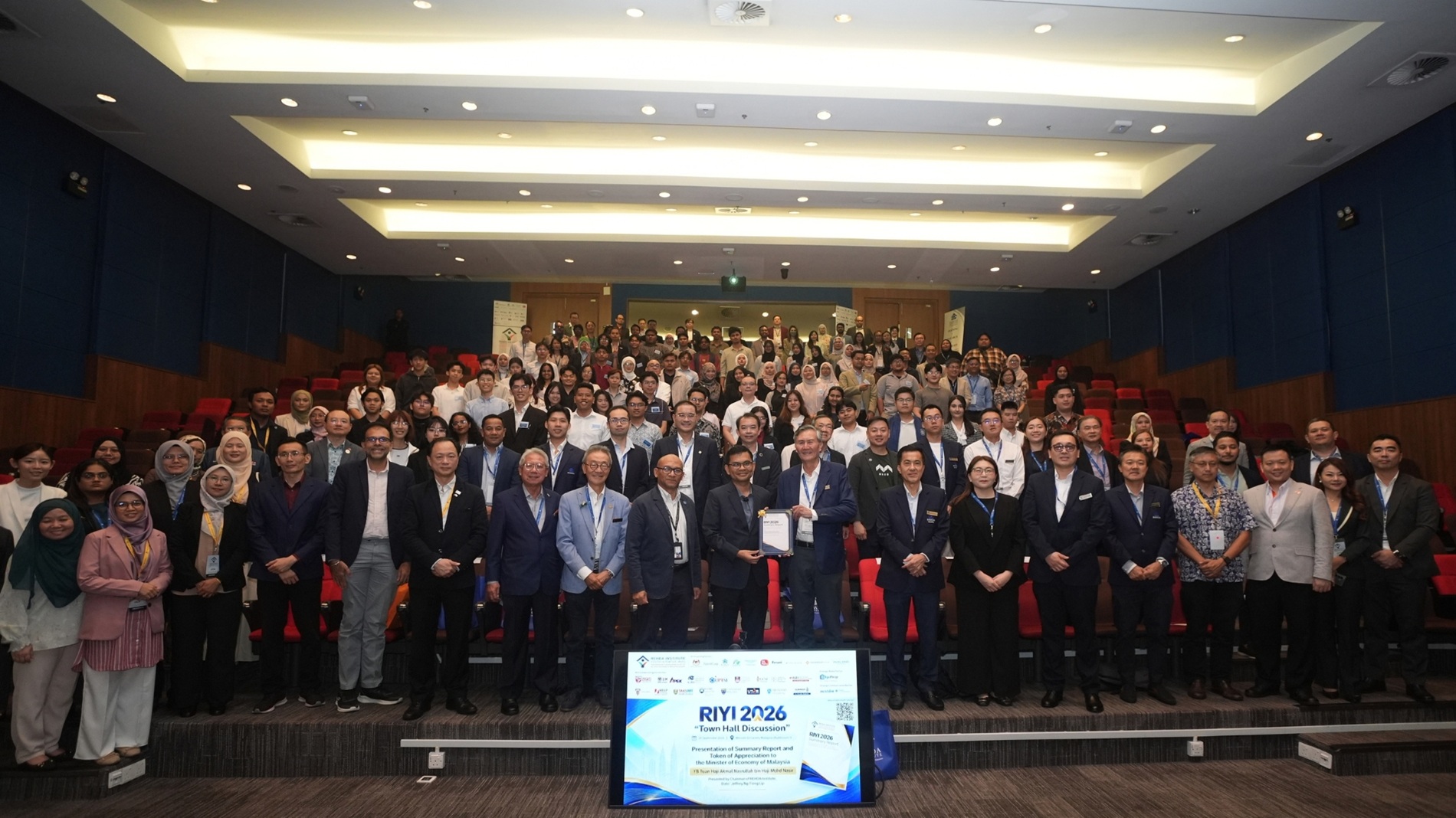
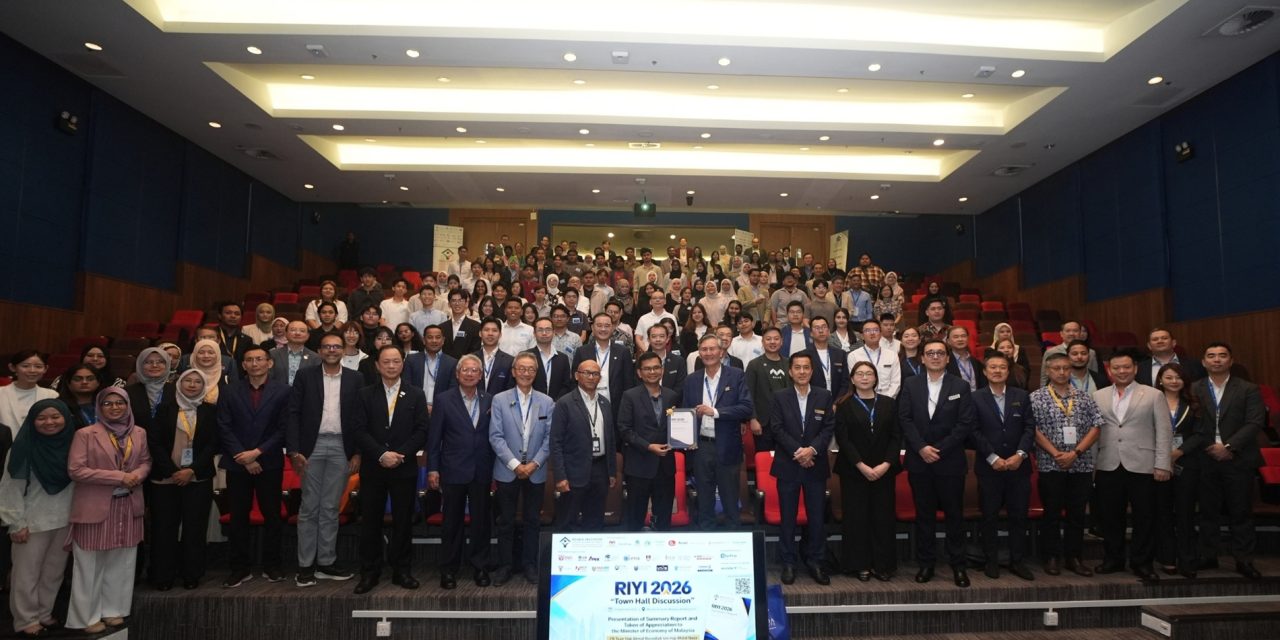
The report was presented to Economy Minister Akmal Nasrullah Mohd Nasir during the programme’s closing event at Monash University Malaysia, which featured a town hall on developing an ESG-ready built environment under the 13th Malaysia Plan (RMK13).
RIYI Chairman Dato’ Jeffrey Ng Tiong Lip said direct engagement with industry could help students better understand workplace expectations while developing communication, judgement, resilience and adaptability.
The survey also highlighted the growing influence of AI. Although 76.4 per cent of students said they regularly used AI tools, half of the employers surveyed expected AI to reduce the number of entry-level positions they hire for over the next three years.
Meanwhile, 79.4 per cent of employers said they were willing to offer structured training and clear career pathways in return for a retention commitment, compared with 67.6 per cent of students who said they would accept such an arrangement.
The survey further found that 82.4 per cent of students and 58.3 per cent of employers supported mandatory salary-range disclosure in job advertisements, while 57.1 per cent of students said they were likely or very likely to work overseas within five years.
RMK13 calls for stronger industry participation in talent development, more demand-driven higher education and a mandatory paid internship scheme, alongside efforts to strengthen productivity and digital capabilities.
RIYI 2026 brought together students from universities nationwide for industry mentorship, career development sessions and practical training, including AI-augmented decision-making, leadership, stakeholder management and workplace negotiation.
The initiative aims to develop into a longer-term platform connecting universities, employers and young talent while supporting Malaysia’s graduate employability and future workforce development.
-HR HUB